I’m of the opinion that most of the great original movies should be left alone as standalone masterpieces, forever placed on a pedestal and preserved to endure the test of time as works of individual brilliance that need no further explanation. Most.
But one Jubel Peach in on a date with my girlfriend, I’m brainstorming — much to her dismay — the movies that might just have enough meat left on the bone to return to; both original and those already a part of something larger. Forgive the title, by the way, none of these necessarily need a sequel, to be honest, but who’s clicking on “10 Movies That MAYBE Could Realistically Pull Off an Okay Sequel”. That’s just bad journalism. And I am not a bad journalist.
So without further ado, the absolute dumbest and potentially most creatively redundant of all my works:
07. Tenet (Dir. Christopher Nolan, 2020)
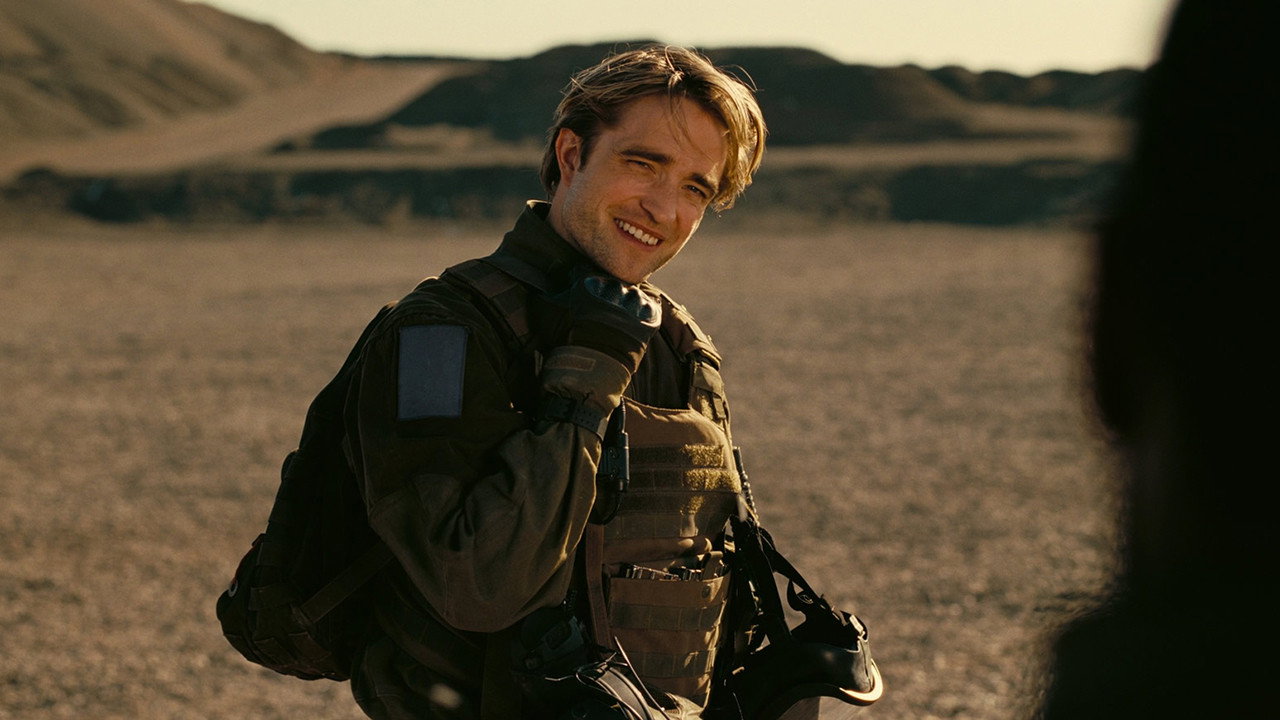
The biggest talking point coming out of Christopher Nolan’s 13th and perhaps most impressive cinematic achievement, The Odyssey, was: “What the hell does he do next?”. The Odyssey felt like the culmination of everything the filmmaker had been building toward since his debut, Following, 27 years earlier — great men, ruinous inventions, epic scale, the lot. It’s all there. And as a text, it doesn’t exactly get any bigger. Homer’s Odyssey is as engrained into the culture as any; Bible aside, there’s nothing more ‘final boss’ than that. Many have suggested that a continuation of the horrific elements of his Odyssey across a full feature could be on the cards — his Shining. And who wouldn’t want to see that? It’s a good idea. Great, even. But if you ask me, nothing has ever encapsulated the essence of Nolan as a filmmaker quite as perfectly as Tenet.
A misunderstood masterpiece that’s reclaimed by more and more each day, Tenet divided audiences upon release for a number of reasons — sound mixing issues, miscast lead, awkward dialogue, Blah. Blah. BLAH. But no complaint is more pressing or often cited than the idea that Tenet as a conception is just too complex. For those who weren’t listening, I’ll invoke Nolan’s self-insert in the film, brought to life by Clémence Poésy, to explain why they’re wrong: “Don’t try to understand it, just feel it.” A sentiment to live by, not just to enjoy Tenet, but all of Nolan’s high-concept Sci-Fi works.
A return, then, to the world most uniquely ‘theirs’ would be just about the most baller thing a filmmaker could do after reaching the absolute mountaintop of Hollywood. No one individual is a bigger draw in Tinseltown right now than Nolan. Not Tom Holland. Not Zendaya. Not Tom Cruise. Not Robert Pattinson. Not anyone that isn’t named “Spider-Man”. And a blank cheque Tenet sequel full of all the temporal pincer movements, time inversions, bells, whistles and any other bullshit he wants would be as glorious as it gets. We live in a twilight world.
06. Constantine (Dir. Francis Lawrence, 2005)
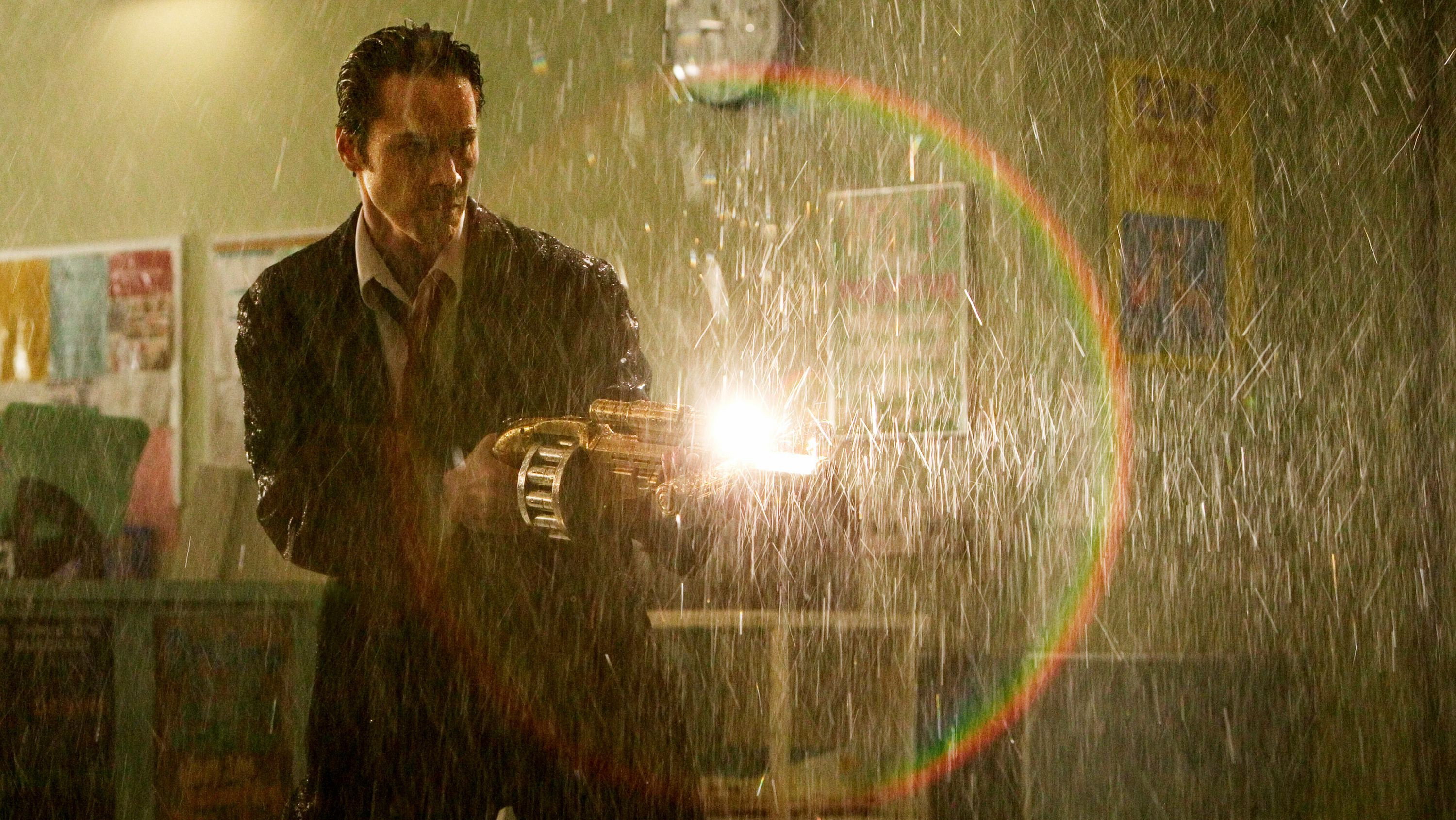
It’s been 20 years since Keanu Reeves donned the shirt, tie and tobacco-induced cough of John Constantine, and with James Gunn showing a real willingness to not only operate his new DCU (DC Universe) as a world that’s unafraid to play with genres, timeframes and visual aesthetics, but also one that could expand past the mainline canon, a sequel to this cult classic has never felt more on the cards.
Reeves is one of our few action stars that’s still able to draw audiences’ butts into the theatre; it feels as if we’re in somewhat of a transition phase in that regard — Mission: Impossible is over, as is John Wick (?), with no replacement on the horizon — and in the meantime, Keanu could well look to take a leaf out of Tom Cruise’s book on ‘How to reboot every movie from your past’. The Matrix? Tick. Constantine? Pending. Sam Raimi’s The Gift? I’d watch it. Eli Roth’s Knock Knock? Probably — hopefully — not.
05. Hope (Dir. Na Hong-jin, 2026)
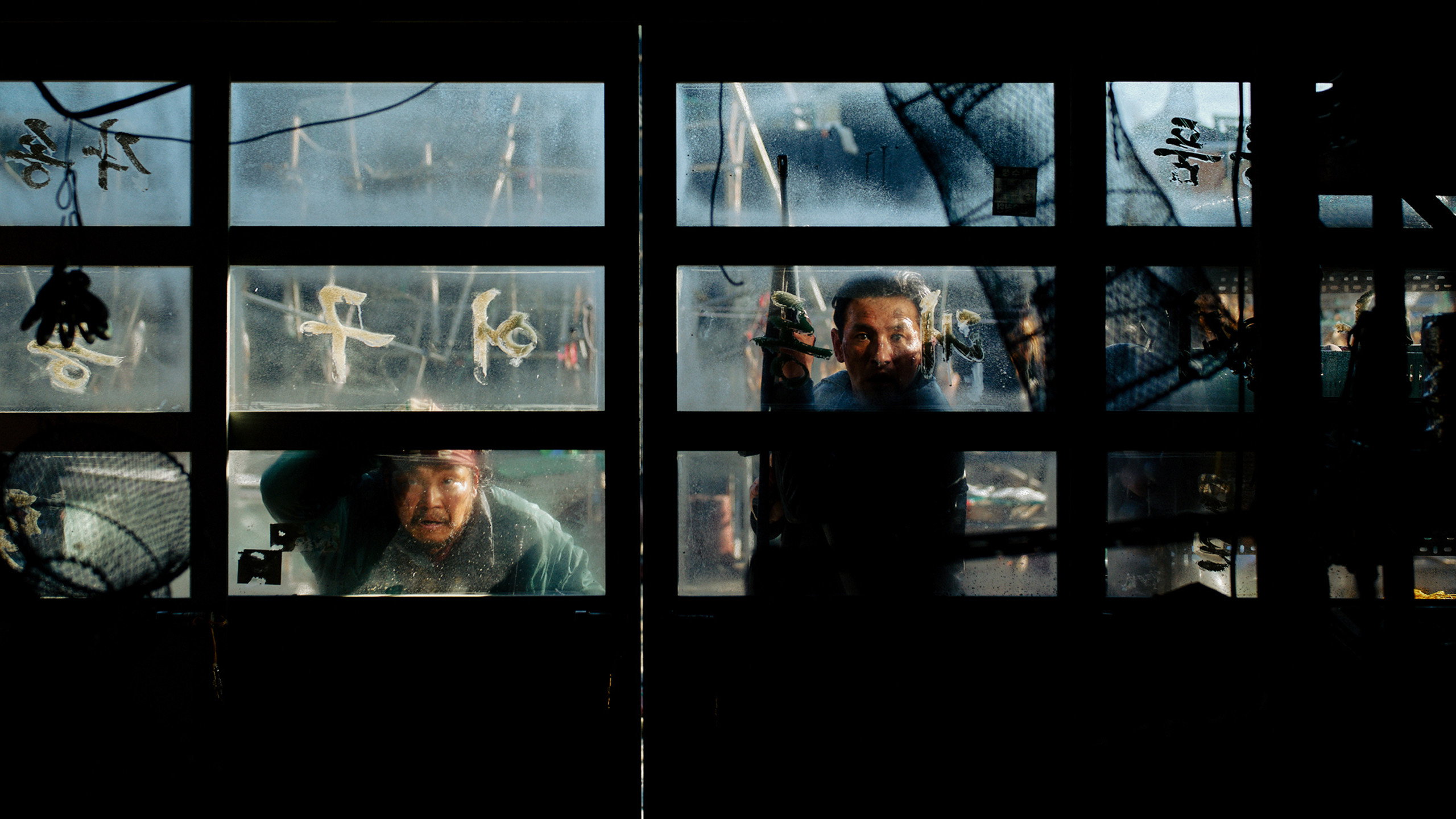
The most recently released entrant on this list, Na Hong-jin’s Hope — the most expensive movie in Korea’s storied cinematic history — is nothing short of one of the year’s most fascinating, electrifying and ultimately frustrating films. It delivers some of the finest action this side of Terminator 2 and some of the worst CGI since The Mummy Returns. It’s a real tale of two halves.
Director Na doesn’t make movies very often; since his debut, The Chaser, released in 2008, just three more have followed — including Hope — but in the small amount of time that we’ve been able to spend with his movies, it’s become clear that there are few better at staging thrilling action than he. That remains true of Hope. But for every exhilarating set piece there’s a cut to the absolute worst visual effects ever put to screen — truly PS2 level visuals. At roughly just ₩60 billion (translating to around $46 million USD) the film seems to sit in a hellish no man’s land of not having enough budget to execute its mammoth vision, but still having just enough — too much — to execute at least some of it. The outcome is an underbaked but brilliantly staged mess. One that I’d like to see given the proper care and budget to carry out what its cliffhanger ending sets up.
04. Transformers One (Dir. Josh Cooley, 2024)
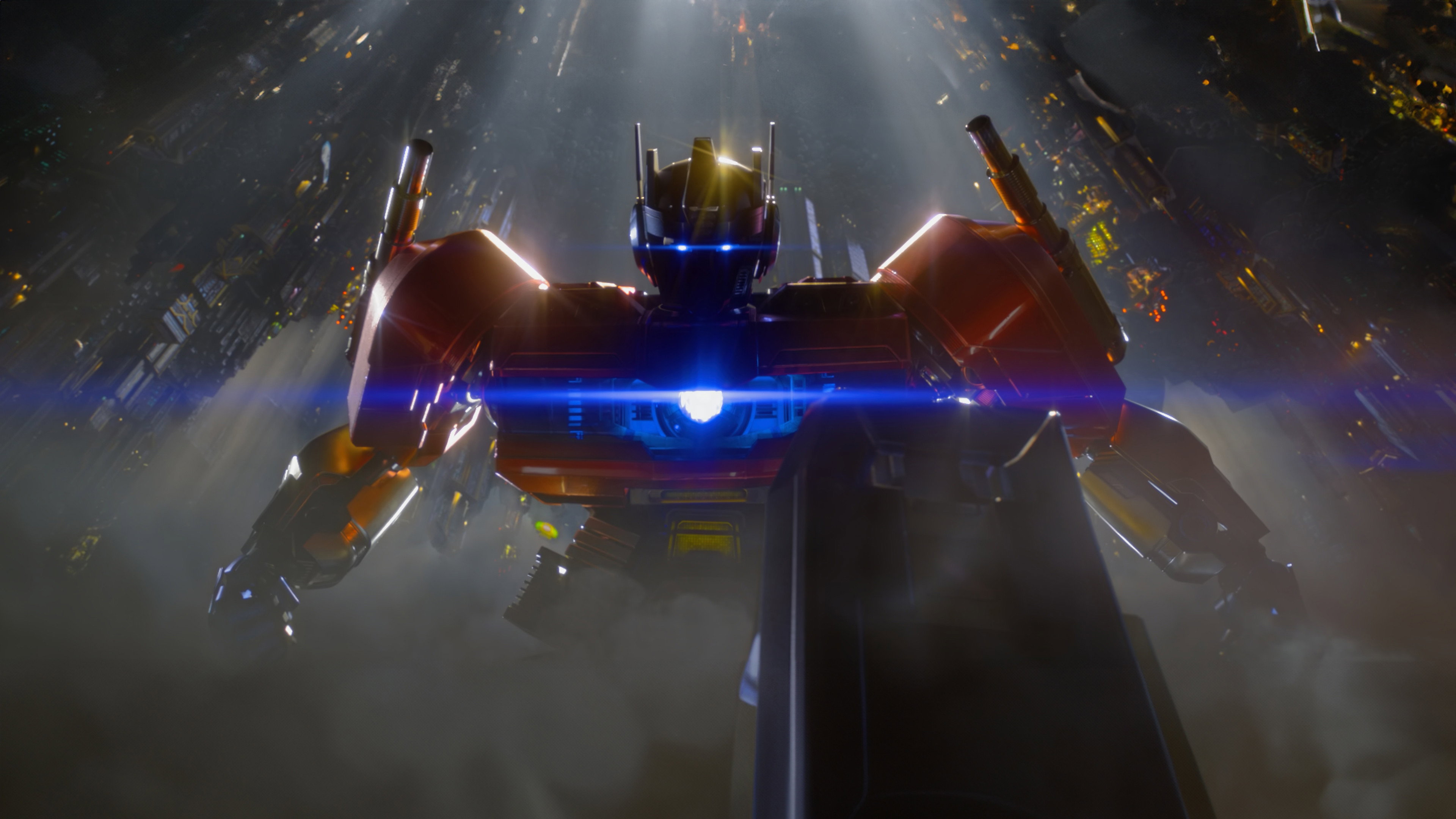
The Transformers franchise, prior to Josh Cooley’s animated Autobot origin story from 2024, could be found in any Oxford dictionary as a visual aid for the word “Dead”. A string of underwhelming live-action failures that both flopped critically and waned more and more at the box office with each release left the world of extraterrestrial transforming robots as out of the culture as it’d been since the ’80s, and it took Cooley, director of Toy Story 4, bringing the franchise back to its animated routes to revive it. And yet, its critical success but box office failure seems to have been enough only to greenlight further entries into the Bayverse and not to follow-up on this slice of optimism in an IP world often devoid of it. Here’s to hoping this action-packed thrill is allowed to see a successor. “Transformers Two” has a nice ring to it.
03. Kill Bill: The Whole Bloody Affair (Dir. Quentin Tarantino, 2005)
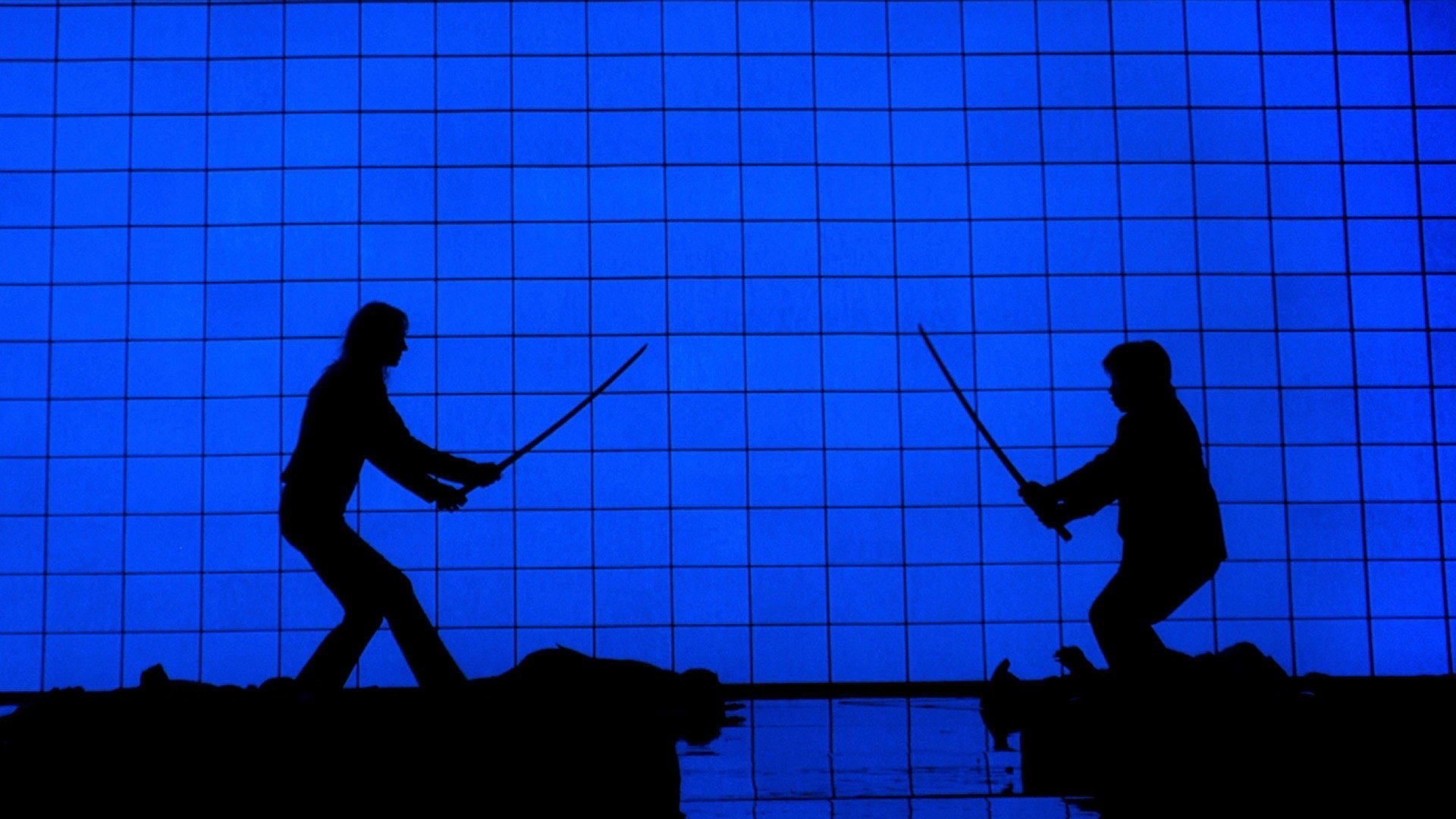
When Tarantino combined his Kill Bill duology in 2005 to form one grand epic that restored the project to his intended vision, he bought himself an extra life in the way of his 10-movie rule. But now, over 20 years on, Quentin finds himself in quite the pickle. With just one movie remaining and clearly a head still full of ideas — a Cliff Booth movie is literally about to come out and he isn’t directing it? — the pressure has never been so intense for the Pulp Fiction director to deliver — especially when considering that Once Upon a Time in Hollywood… would’ve been, well, the perfect career-ender.
My pitch? “Kill Bill Vol. 3". Well, kind of. My real pitch is to just throw the silly rule out and make whatever he wants. But if he is sticking to his guns, a third (or second?) instalment in the Kill Bill series, with an all-grown-up Nikki Bell in pursuit of revenge (Chase Infiniti, anyone?) and a grown up B.B., (perhaps Maya Hawke?) could be an awful lot of fun.
02. Real Steel (Dir. Shawn Levy, 2011)
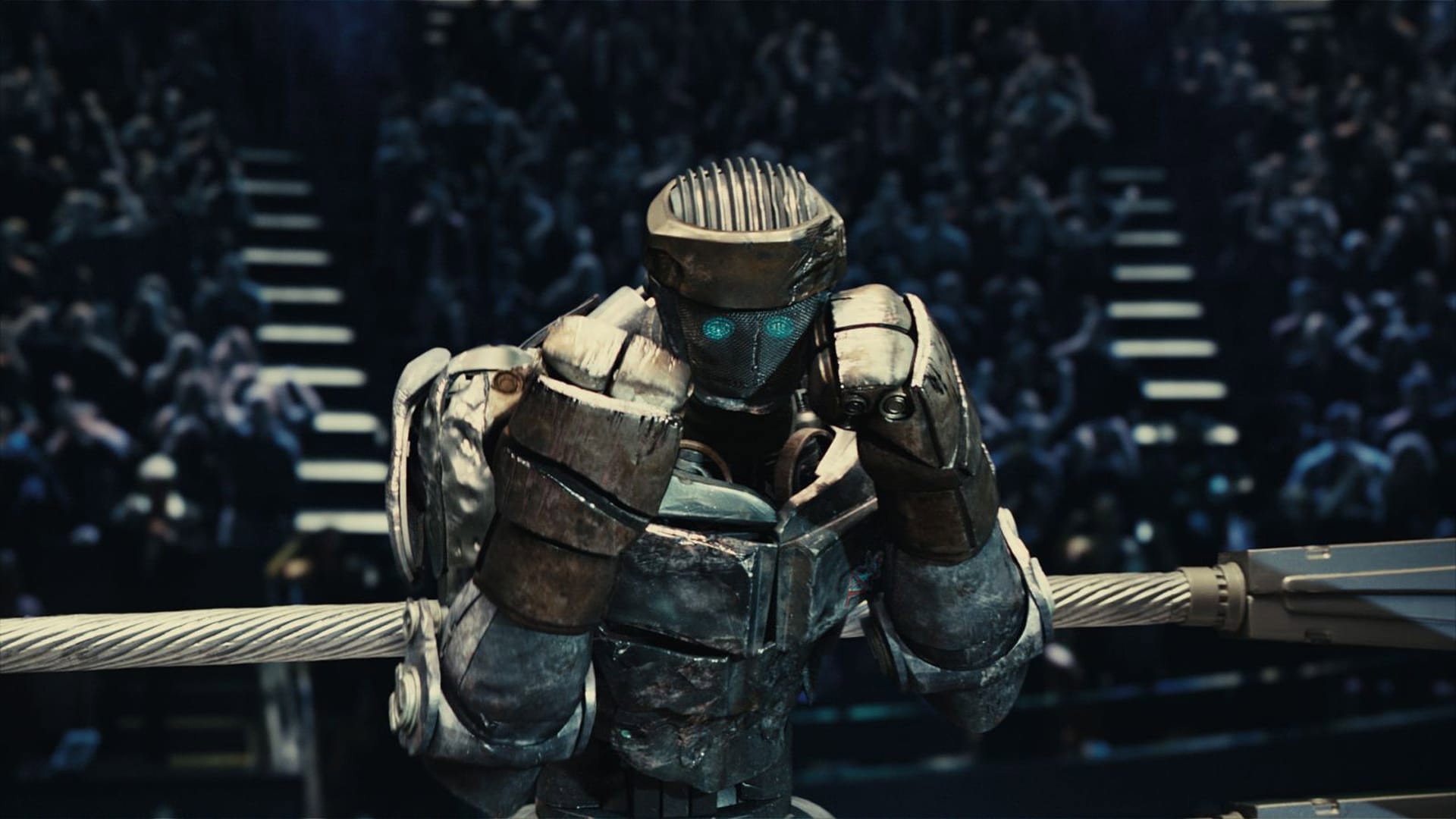
Shawn Levy seems to be on a mission right now to direct every single movie in theatres, except a sequel to his best one.
2011’s Real Steel is Levy at his absolute best. Admittedly, the bar isn’t all that high, but this Rock ’Em Sock ’Em Robots gem, starring Hugh Jackman, is the clearest — and perhaps only — proof that Levy is capable. Why he hasn’t shown it since is a mystery even to Akinator. But if Levy is to remain in the director’s chair, a return to his finest work seems the best possible outcome.
01. The Color of Money (Dir. Martin Scorsese, 1987)
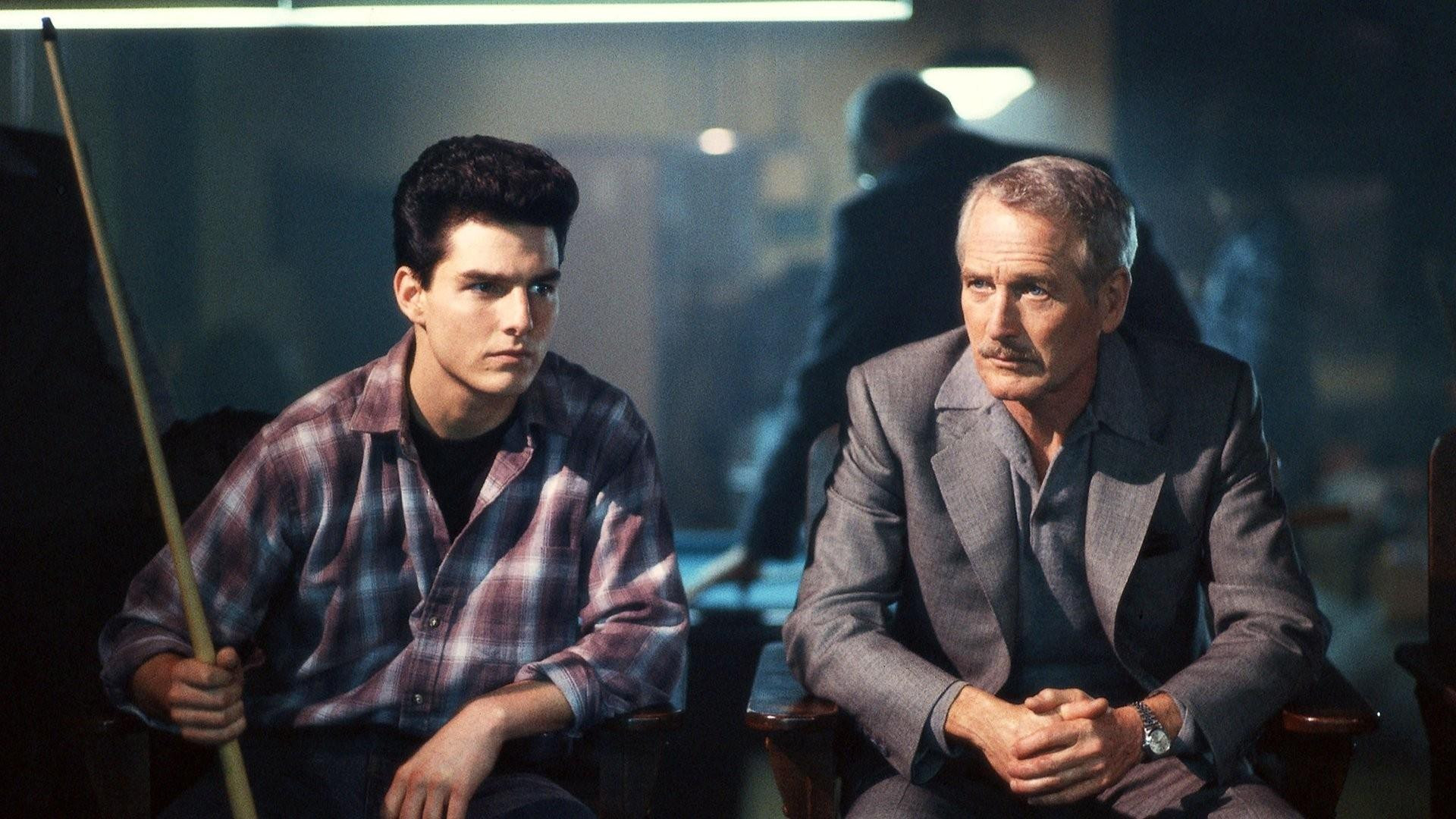
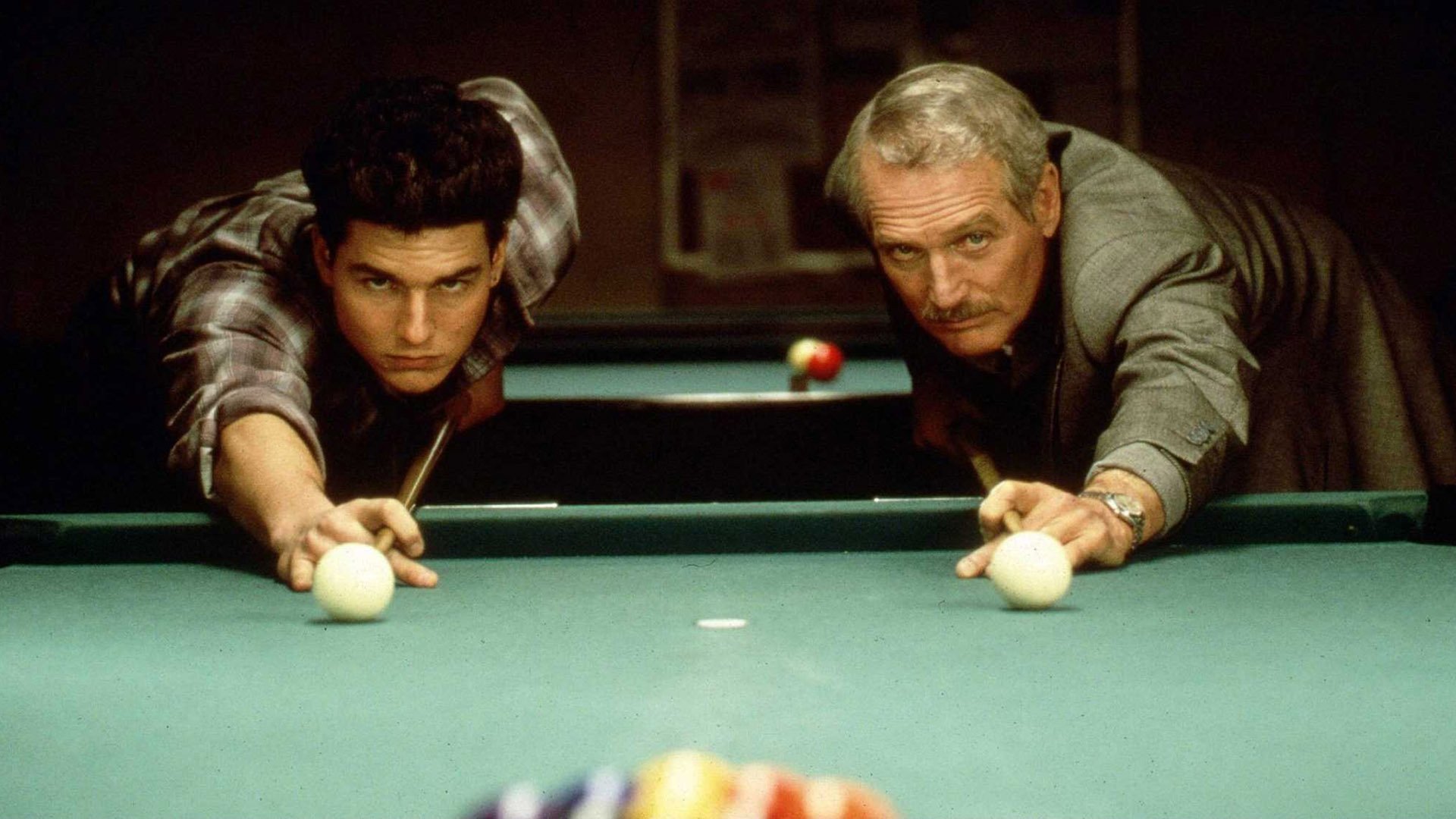
The only sequel in Martin Scorsese’s illustrious career, The Color of Money sees Paul Newman reprise his role as Eddie Felson from Robert Rossen’s ’61 pool drama The Player. Only this time, Felson, once a scheming hustler, is over 25 years older, and has taken a pupil, Tom Cruise’s Vincent Lauria, under his wing.
With Cruise now being older than Newman was in this Scorsese classic, maybe it’s about time that he begins to finally get his boots back on the ground and take on his first official ‘old man’ role as the once student who has now become the master. Digger already represents a step toward this stage of his career, but Days of Thunder 2 suggests he’s hanging on, still. Cruise might need some convincing. But given the New York heritage that lives and breathes throughout this series of films, if one of the myriad of elite filmmakers currently operating in The Big Apple — Josh Safdie, James Gray etc. — could come with a pitch, it might well represent an all-new and exciting chapter in Cruise’s career.